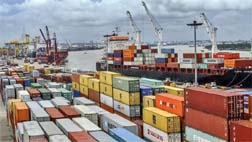
C T Online Desk: Container, cargo and vessel handling at Chittagong Port saw notable growth in the first 10 months of the year (January–October), according to data released by the Chittagong Port Authority (CPA).
During this period, the port handled 2,849,542 TEUs of containers, 115.06 million tons of cargo, and 3,552 ships. This reflects year-on-year growth of 4.87% in container handling, 12.64% in cargo handling and 10.97% in ship handling.
Compared to the same period last year, an additional 132,328 TEUs of containers, 12.9 million tons of cargo and 351 ships were handled, CPA Secretary Omar Farooq said on Monday.
Meanwhile, the New Mooring Container Terminal (NCT), operated by Chittagong Dry Dock Limited, handled 468,871 TEUs and 253 ships in the first four months (July–October) of the 2025–26 fiscal year. This marks a 15.50% rise in container handling and a 19.35% rise in ship handling from the same period last fiscal year, with 62,919 more TEUs and 41 more vessels processed.
According to a CPA notification issued on Monday, Chittagong Port handles around 92% of Bangladesh’s general cargo import–export and nearly 98% of containerized cargo. Ship waiting times at the port have reduced significantly. Waiting time dropped to zero for nine days in September, 18 days in October and 19 days in November, the notice said.
As a result, incoming vessels are now receiving berths upon arrival, allowing faster delivery of imported goods and timely loading of export cargo. This efficiency is expected to help reduce consumer-level prices and strengthen overall export performance.
The CPA attributed the improvements to the addition of modern equipment, expanded yard capacity, increased use of information technology and the continued cooperation of port users, alongside the efforts of port officials, employees and workers.
The notice added that a delegation from Maersk Shipping Lines recently visited Chittagong from Singapore and expressed satisfaction with the port’s improved management, reduced vessel waiting times, enhanced terminal performance and ongoing progress in service quality.